When refrigeration fails, minutes matter. A compressor trips on a Friday night, a truck breaks down on I‑10 in August heat, a walk‑in cooler floods after a power surge during a thunderstorm. San Antonio businesses learn to plan for heat, humidity, and sudden weather swings, yet the calls I remember most came after a small, unexpected mechanical glitch. What saves inventory is rarely luck. It’s a combination of having a realistic plan, knowing which refrigerated storage providers pick up the phone after hours, and understanding how to stabilize product before it warms out of spec.
San Antonio sits in a corridor built on food processing, hospitality, defense commissaries, and a strong grocery footprint. Each of those relies on cold chain continuity. If you search for a “refrigerated storage facility near me” at 2 a.m., you are already late. A better approach starts with mapping capacities, confirming access protocols, and preparing your staff to bridge the gap between crisis and intake at a cold storage facility.
What “emergency storage” really means
Emergency refrigerated storage is not just an open dock and a cold room. Providers that handle true emergencies offer after‑hours intake, fast documentation, and temperature zones that match your product spec. For a food manufacturer or a restaurant group, that working definition includes refrigerated storage San Antonio TX options with blast chill capability, frozen and chilled zones, rapid check‑in, and the ability to segregate product to protect brand integrity.
The most reliable operators treat emergency intakes like a paramedic call. They stabilize the product, verify temperature on receipt, and move it into a validated zone with logging turned on. Not every cold storage facility can do that. Some are bulk warehouses designed for planned throughput with limited staff outside business hours. Others specialize in strict USDA or FDA programs and may not accept ad hoc emergency volumes without prior agreements. Knowing who does what, before you have a spill or failure, sets the tone for everything that follows.
The San Antonio context: heat, humidity, and logistics
San Antonio’s climate pushes refrigeration hard. Even in winter, humidity can condense on coils and doors. Summer heat turns a disabled reefer trailer into a warming cabinet in minutes. Add traffic through the I‑10, I‑35, and Loop 410 network, and you have a system that depends on short‑haul reliability. Grocery DCs and foodservice distributors move thousands of cases daily across relatively short distances, which sounds simple until a route gets delayed, a dock schedule slips, or a storm stalls pickups on the far side of Bexar County.
These local realities shape what you should ask for in a cold storage San Antonio TX provider. Quick ramps and wide docks for hot shot trucks. Flexible MHE options for mixed pallets and odd sizes. Enough dock positions to avoid stacking trucks in the afternoon rush. Most of all, a documented plan for temperature control in extreme heat, including vestibules, door alarms, and staff trained to stage, scan, and slot quickly.
Why “cold” is not one number
Different products demand different set points and airflow patterns. A blanket offer of 34 degrees Fahrenheit is not helpful if you are storing leafy greens next to raw poultry or placing chocolate adjacent to a high‑humidity cooler.
- Typical chilled range: 33 to 41 F. Think dairy, fresh proteins, prepared foods, and some produce. Produce rooms: often 36 to 45 F with tight humidity control, adjusted by commodity. Frozen: standard is 0 F, with many facilities capable of negative 10 to negative 20 F for ice cream or long‑term proteins. Blast chill or quick freeze: high‑airflow rooms designed to pull core temperature down quickly, useful when product has warmed but is still within a salvageable window.
Emergency intake decisions depend on these ranges. If your walk‑in fails and chicken breasts climb from 34 to 45 F, you need a facility that can verify current temperature, rapidly chill, and document the chain of custody. If a dessert line softens in transit, you may need negative 10 F to restabilize structure. A general refrigerated storage site without the right zones may do more harm than placing product under controlled, food‑safe disposal.
The first hour: stabilizing product before you move it
The hour after a refrigeration failure is where recoveries are won or lost. I’ve seen restaurants save tens of thousands in inventory with simple steps taken in the first thirty minutes. I’ve also watched perfectly good product become unsalvageable because staff opened doors repeatedly to “check on it.”
Here is a tight checklist to keep on a laminated card by the cooler door:
- Stop airflow loss: keep doors closed, cover openings, and block foot traffic. Measure and record: take temps at multiple product depths with a calibrated probe, noting time and location. Prioritize: separate known time‑temperature control for safety (TCS) foods from shelf‑stable items. Insulate and stage: use insulated blankets, ice packs, and nested tubs to slow warming while you arrange transport. Call ahead: contact a refrigerated storage facility San Antonio TX provider, confirm capacity and set point, and send a photo of temp logs.
Those five actions buy you time, improve your salvage odds, and give the receiving team enough data to make quick decisions. Transport must be cold, too. A refrigerated van, reefer box truck, or a trailer with a pre‑cool checklist will keep gains from evaporating en route.
Intake that protects your brand
Not all cold storage intake practices are equal. A mature operation will scan or note your lot codes on arrival, take surface and in‑case temperatures, and slot product into segregated racks. They will provide a timestamped intake sheet or a digital receipt that shows temperature on arrival, assigned location, and set point. If you are a co‑packer or sell under private label, ask about cage storage or locked bays. Segregation prevents commingling and simplifies recalls.
If you searched for a “cold storage facility near me” recently, you probably noticed a range of services: some facilities offer inventory management systems that integrate with your ERP, others provide cross‑dock only. For emergencies, you want three promises in writing: after‑hours access procedure, guaranteed response time, and a named decision‑maker who can approve your intake outside standard SOPs. The person with keys and authority at 11 p.m. is worth more than a glossy brochure.
Food safety doesn’t pause for logistics
Regulations are not a paperwork exercise. Time‑temperature abuse is a real biological risk, and in Texas, inspectors have little patience for guesswork. Whether you follow ServSafe, FDA Food Code, USDA directives, or your corporate HACCP plan, the core ideas remain:
- Control the triangle of time, temperature, and contamination. Avoid rework that involves excessive handling. Document every transfer, including who took temperatures, how they were measured, and where probe thermometers were calibrated. Separate raw and ready‑to‑eat in both transport and storage. Never solve a refrigeration crisis by creating a cross‑contamination risk.
A good refrigerated storage facility will help. Many provide calibrated probe logs, digital telemetry for rooms and racks, and weekly calibration reports for their monitoring systems. Ask to see sample intake paperwork before you need it. If they share it readily and it makes sense to your QA team, you are in the right place.
The cost question: what emergency storage really costs
Rates vary by facility size, location, and the scope of services. In San Antonio, you will see a mix of models: per‑pallet per day, cubic footage, or tiered pricing for chilled, frozen, and high‑demand zones. Emergency intake usually includes an access fee, especially after hours. Expect a receiving charge that covers labor for inspection, temperature checks, and slotting. If you require blast chill, there may be a per‑cycle fee or hourly run charge.
A practical range, as of recent projects in the region:
- Per‑pallet per day for chilled: typically 8 to 20 dollars. Higher for small volumes or premium locations. Frozen storage: often 10 to 25 dollars per pallet per day, with surcharges for negative 10 F or colder. Emergency intake fee: 150 to 500 dollars after hours, more if specialized QA staff must be called in. Short‑haul refrigerated transport within the metro area: 250 to 700 dollars depending on distance, equipment, and timing.
Prices move with demand. Peak summer and holiday periods tighten capacity across the cold chain. This is where pre‑negotiated capacity holds value. Even a modest retainer or standing agreement for two to five pallets of emergency space can save you far more in lost product and labor.
Capacity planning for the unexpected
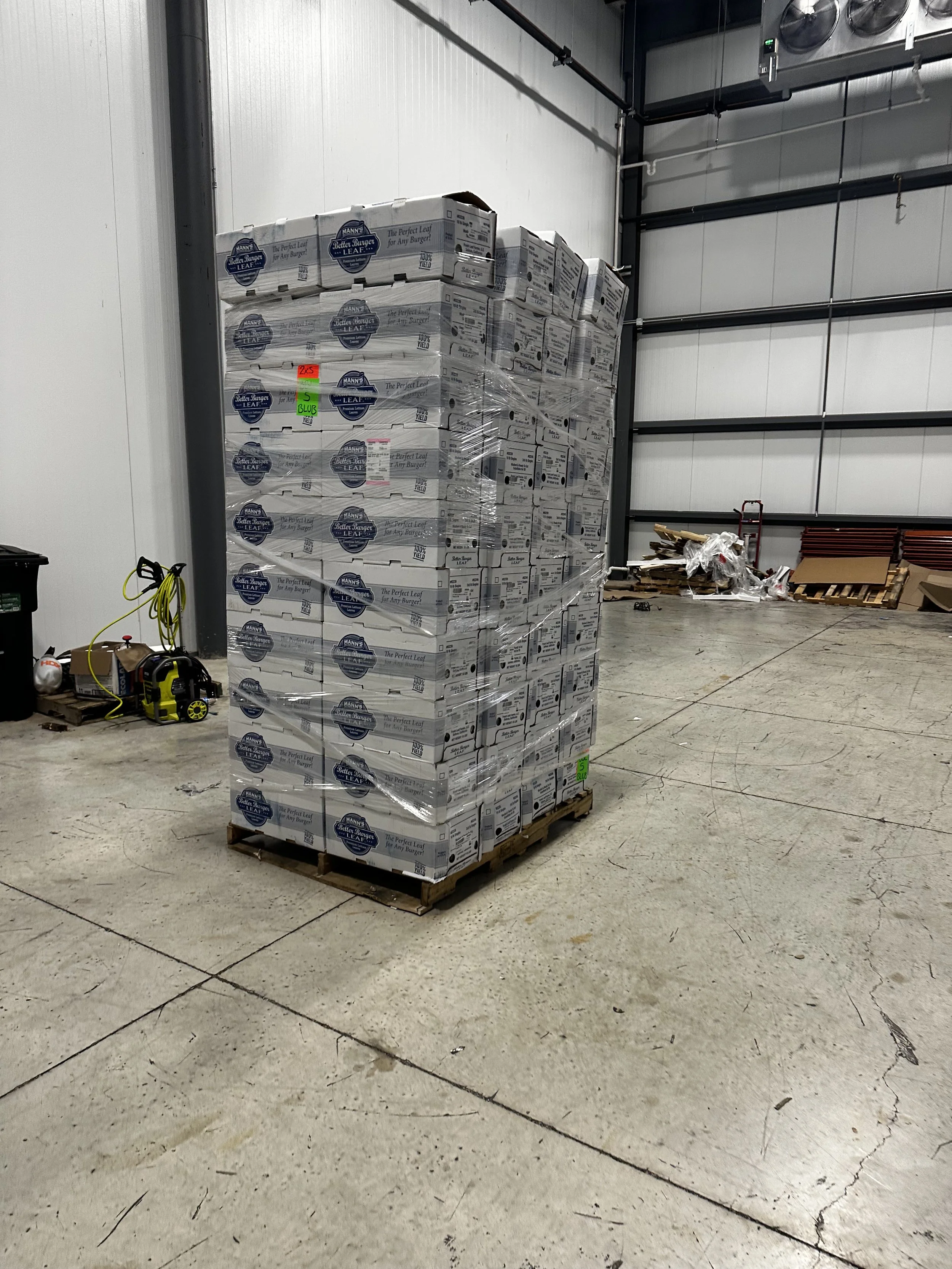
No one keeps a warehouse empty just in case you call. Providers manage to utilization targets, and emergency space is a commitment, not a hope. Build relationships with two or three facilities, not one. Validate address, dock hours, and entry credentials. Put their numbers into your escalation sheet and run a live test twice a year. Use a mixed test load of shelf‑stable items to verify process and timing without risking inventory.
I recommend a simple rhythm: quarterly check‑ins, biannual drills, and an annual review of pricing and SOPs. When you do the drill, measure the delta between the call time and the moment product hits a temperature‑controlled spot. Aim for under 90 minutes citywide. Track how long it takes to retrieve product too. The back half matters when your refrigeration is back online and you need to reopen.
The role of technology without the buzzwords
Sensors matter, but only if someone reads them. A facility that can share room temperature telemetry, intake temperature photos, and EDI or API integration into your inventory system improves visibility. GSM temperature loggers inside your pallets add another layer. We coach teams to place at least one logger in the warmest point, usually the upper front of a pallet where doors and airflow create variance. For high‑risk products, consider one logger per two pallets during an emergency move.
But technology does not replace common sense. If your transport shows proper set point yet the product feels soft or looks wet with condensation, pause. Evaluate, measure, and decide with a QA mindset. The best providers will stand with you on that decision, even if it means discarding product.
Choosing the right partner when you search “refrigerated storage near me”
The search engine shows a map and a list. Filters and reviews tell part of the story. For refrigerated storage San Antonio TX, go beyond proximity. Ask direct, operational questions. Tour the facility with your QA lead. Watch a live receiving. Evaluate how they handle a complicating detail, like a pallet with mixed date codes or an SKU with allergen requirements.
The following criteria separate dependable partners from the rest:
- Staff depth on nights and weekends, with on‑call maintenance and management. Multiple temperature zones including at least one blast chill room or equivalent capacity. Documented cleaning and sanitation schedules, plus pest control logs. Real dock safety practices: wheel chocks, dock locks, and door discipline to maintain temperature. Clear billing and dispute resolution. Emergencies get messy; transparent pricing prevents surprises.
Remember that a cold storage facility is an extension of your brand. If they are sloppy with documentation or casual with segregation, you inherit the risk.
Hard lessons from real emergencies
A caterer once called after a trailer unit failed late Sunday. They staged 120 banquet platters in a conference center with the AC turned down and ice in hotel pans under racks. Their instinct to cool the room was right, but the ice created localized humidity, making cold plates sweat and drip into open chafers. By the time we arrived with a reefer box, the outer layers measured 47 F and the interior was still 39 F, a dangerous gradient. We salvaged about half by separating and blast chilling the deeper stacks, with full documentation and discard of any platter with compromised covers. The fix began with better staging: tight wrapping, air gaps between tiers, and eliminating meltwater near packaging.
In another case, a grocer had a walk‑in door seal fail. The leak did not trip alarms, so the unit ran constantly, creating frost on evaporator coils and intermittent warming cycles. Staff kept opening the door to “check,” which knocked temperatures up by 3 to 5 degrees each time. Had they stopped the traffic and moved only staff with probes and a cart, product would have stayed safe until we arrived. Door discipline is the least glamorous part of emergency response, yet it often has the greatest effect.
Working with inspectors and auditors
When you shift product to a third‑party cold storage facility, you do not offload responsibility. You remain the responsible party for your brand and, in many cases, for regulatory compliance. The best approach is proactive transparency. Notify your local health authority or corporate QA hotline when you enact an emergency storage move. Provide intake records, photos, and temperature logs. If you later discard product based on their guidance, document that too. Inspectors appreciate timeliness and complete records far more than polished explanations after the fact.
For USDA‑amenable products, confirm whether the facility operates under inspection, and if your product needs to remain under inspection for labeling or export reasons. If the answer is yes, align intake hours with inspector availability. When that is not possible, work with your inspector to document temporary storage outside inspection with seals and logs.
The retrieval: getting back to normal without losing ground
The emergency does not end when product lands in a safe room. The return can create new risks. A few practices smooth the path back:
- Schedule retrieval during cooler parts of the day if you lack a dock with a sealed connection. Pre‑cool your destination cooler and verify that the underlying cause has been fixed and validated under load, not just at idle. Stage product by use‑by date and rotation sequence before loading, so you do not rework pallets on a hot dock. Bring your own calibrated probe and take spot checks on return.
A cold storage facility that offers short‑term pick and stage can save hours. If they can consolidate split lots and label pallets by priority, your team will spend less time in the doorway of your newly repaired cooler.
What about pharmaceuticals and non‑food items?
San Antonio also hosts medical distributors and research operations that require temperature control. While many food‑grade facilities maintain excellent sanitation, pharma storage typically demands tighter temperature tolerances, validated rooms, and controlled access, sometimes with DEA requirements. If your emergency involves clinical reagents, vaccines, or diagnostics, use a facility built for that specification. The intake detail is even more rigorous, and transport validation is non‑negotiable. It is common to maintain separate vendor relationships for food and pharma to avoid compromise.
Contract terms that prevent midnight surprises
A short, clear master services agreement helps both sides. Look for these elements:
- Defined response times and after‑hours access procedure, including security protocols and who has authority to authorize intake. Temperature ranges by zone with acceptable excursions and notification thresholds. Liability caps and insurance requirements that align with your product value and risk profile. Data sharing: how you receive logs, how long they are retained, and in what format. Dispute resolution and product disposal protocols if items are deemed unsafe.
Avoid vague language around “best efforts.” Emergencies are when contracts either protect you or fail you. Specifics win.
Building a culture that treats cold like currency
Cold chain is not just equipment. It is behavior. The most successful teams, from single‑unit restaurants to regional manufacturers, cultivate a culture that treats degrees of temperature like dollars. Staff know that holding a door open is like dropping a roll of twenties. They respect the shape and airflow of pallets. They push for realistic dock schedules and call out when a load plan risks refrigerated storage near me augecoldstorage.com a warm zone.
San Antonio’s hospitality and food industries thrive on speed and service, which makes it tempting to take shortcuts during a crisis. The antidote is practice and clarity. If your team has run the playbook and knows which cold storage facility to call, they will act with confidence instead of improvising under stress.
When “near me” matters, and when it doesn’t
Proximity helps, but not if the nearest warehouse cannot accept you after hours or lacks the right zone. A 20‑minute drive to a facility with blast chill and strong intake beats a 5‑minute drive to a site that will park your pallets on a warm dock while they sort paperwork. Aim for a portfolio approach: one partner inside the Loop with extended hours for quick moves, another with deeper capacity and specialized rooms, possibly farther out where land costs allow larger builds. If your routes often run north toward Austin or west on I‑10, consider a partner near those corridors for fails near the route.
In searches, you will see variations on terms: cold storage facility, refrigerated storage, freezer warehouse. The labels overlap, and marketing language can be loose. What you need is alignment with your product spec, hours, and emergency posture. When you filter options for “refrigerated storage near me,” pick up the phone and ask about last weekend’s emergencies. The facility that can describe three real events, where they succeeded and where they struggled, is more likely to handle your crisis well.
Final thoughts from the loading dock
Emergencies test systems, not just people. Every time a team rehearses the first hour, updates contact lists, and sanity‑checks transport readiness, the likelihood of a calm, clean recovery rises. In San Antonio, heat will always push your margins. Good partners, smart staging, tight documentation, and decisive action make the difference between a blip and a costly write‑off.
The goal is simple: keep safe food safe, protect your brand, and be ready to move when the unexpected happens. If you have not reviewed your plan this quarter, call your preferred cold storage facility San Antonio TX partners. Ask the hard questions, confirm capacity, and run a drill. You will sleep better when the power flickers and the radar lights up red over the Hill Country, knowing you have a path from failure to stability that works at any hour.
Business Name: Auge Co. Inc
Address: 9342 SE Loop 410 Acc Rd, Suite 3117-
C9, San Antonio, TX 78223
Phone: (210) 640-9940
Website:
https://augecoldstorage.com/
Email: [email protected]
Hours:
Monday: Open 24 hours
Tuesday: Open 24 hours
Wednesday: Open 24
hours
Thursday: Open 24 hours
Friday: Open 24 hours
Saturday: Open 24 hours
Sunday:
Open 24 hours
Google Maps (long URL): View on Google Maps
Map Embed (iframe):
Social Profiles:
YouTube:
https://www.youtube.com/channel/UCuYxzzyL1gBXzAjV6nwepuw/about
Auge Co. Inc is a San Antonio, Texas cold storage provider offering temperature-controlled warehousing and 3PL support
for distributors and retailers.
Auge Co. Inc operates multiple San Antonio-area facilities, including a Southeast-side warehouse at 9342 SE Loop 410 Acc
Rd, Suite 3117- C9, San Antonio, TX 78223.
Auge Co. Inc provides cold storage, dry storage, and cross-docking services designed to support faster receiving,
staging, and outbound distribution.
Auge Co. Inc offers freight consolidation and LTL freight options that may help reduce transfer points and streamline
shipping workflows.
Auge Co. Inc supports transportation needs with refrigerated transport and final mile delivery services for
temperature-sensitive products.
Auge Co. Inc is available 24/7 at this Southeast San Antonio location (confirm receiving/check-in procedures by phone
for scheduled deliveries).
Auge Co. Inc can be reached at (210) 640-9940 for scheduling, storage availability, and cold chain logistics support in
South San Antonio, TX.
Auge Co. Inc is listed on Google Maps for this location here: https://www.google.com/maps/search/?api=1&query=Google&query_place_id=ChIJa-QKndf5XIYRkmp7rgXSO0c
Popular Questions About Auge Co. Inc
What does Auge Co. Inc do?
Auge Co. Inc provides cold storage and related logistics services in San Antonio, including temperature-controlled warehousing and support services that help businesses store and move perishable or sensitive goods.
Where is the Auge Co. Inc Southeast San Antonio cold storage location?
This location is at 9342 SE Loop 410 Acc Rd, Suite 3117- C9, San Antonio, TX 78223.
Is this location open 24/7?
Yes—this Southeast San Antonio location is listed as open 24/7. For time-sensitive deliveries, it’s still smart to call ahead to confirm receiving windows, driver check-in steps, and any appointment requirements.
What services are commonly available at this facility?
Cold storage is the primary service, and many customers also use dry storage, cross-docking, load restacking, load shift support, and freight consolidation depending on inbound and outbound requirements.
Do they provide transportation in addition to warehousing?
Auge Co. Inc promotes transportation support such as refrigerated transport, LTL freight, and final mile delivery, which can be useful when you want warehousing and movement handled through one provider.
How does pricing usually work for cold storage?
Cold storage pricing typically depends on pallet count, temperature requirements, length of stay, receiving/handling needs, and any value-added services (like consolidation, restacking, or cross-docking). Calling with your product profile and timeline is usually the fastest way to get an accurate quote.
What kinds of businesses use a cold storage 3PL in South San Antonio?
Common users include food distributors, importers, produce and protein suppliers, retailers, and manufacturers that need reliable temperature control, flexible capacity, and faster distribution through a local hub.
How do I contact Auge Co. Inc for cold storage in South San Antonio?
Call (210) 640-9940 to discuss availability, receiving, and scheduling. You can also
email [email protected]. Website: https://augecoldstorage.com/
YouTube: https://www.youtube.com/channel/UCuYxzzyL1gBXzAjV6nwepuw/about
Google Maps: https://www.google.com/maps/search/?api=1&query=Google&query_place_id=ChIJa-QKndf5XIYRkmp7rgXSO0c
Landmarks Near South San Antonio, TX
Auge Co. Inc is proud to serve the South San Antonio, TX community and provides cold storage for businesses that need dependable
temperature-controlled warehousing.
If you’re looking for cold storage in South San Antonio, TX, visit Auge Co. Inc near Brooks City Base.
Auge Co. Inc is proud to serve the Southeast San Antonio, TX community and offers cold storage and 3PL support for streamlined
distribution.
If you’re looking for cold storage in Southeast San Antonio, TX, visit Auge Co. Inc near Toyota Motor Manufacturing Texas.
Auge Co. Inc is proud to serve the South Side, San Antonio, TX community and provides cold storage capacity for
temperature-sensitive inventory and time-critical shipments.
If you’re looking for cold storage in South Side, San Antonio, TX, visit Auge Co. Inc near Stinson Municipal Airport.
Auge Co. Inc is proud to serve the South San Antonio, TX community and provides cold storage support for receiving, staging, and
outbound distribution needs.
If you’re looking for cold storage in South San Antonio, TX, visit Auge Co. Inc near South Park Mall.
Auge Co. Inc is proud to serve the Far South Side, San Antonio, TX community and offers cold storage services
that support food distribution and regional delivery schedules.
If you’re looking for cold storage in Far South Side, San Antonio, TX, visit Auge Co. Inc near Palo Alto College.
Auge Co. Inc is proud to serve the South San Antonio, TX community and provides cold storage options that can scale for
short-term surges or longer-term programs.
If you’re looking for cold storage in South San Antonio, TX, visit Auge Co. Inc near Mitchell Lake Audubon Center.
Auge Co. Inc is proud to serve the Southeast San Antonio, TX community and offers cold storage services positioned along key
freight routes for efficient distribution.
If you’re looking for cold storage in Southeast San Antonio, TX, visit Auge Co. Inc near Frost Bank Center.
Auge Co. Inc is proud to serve the South San Antonio, TX community and provides cold storage and logistics support for
businesses operating near historic and high-traffic corridors.
If you’re looking for cold storage in South San Antonio, TX, visit Auge Co. Inc near San Antonio Missions National Historical Park.
Auge Co. Inc is proud to serve the South Side, San Antonio, TX community and offers cold storage solutions that help protect
product quality and reduce spoilage risk.
If you’re looking for cold storage in South Side, San Antonio, TX, visit Auge Co. Inc near Mission San José.