For most businesses that handle perishables, spoilage is a slow leak that never stops. A few cases of strawberries crushed at the bottom of a pallet, a pallet of yogurt that drifted a couple degrees too warm during a weekend power blip, a batch of vaccines held in a fridge with a drifting thermostat. It adds up in real dollars and strained customer trust. The fix sounds simple, find reliable refrigerated storage near me and tighten up handling. In practice, it takes clear criteria, disciplined execution, and partners who treat temperature as a product specification, not a suggestion.
I have managed cold chains on both sides of the dock door, from retail backrooms to third‑party logistics for national brands. The companies that control waste the best build redundancy into temperature control, standardize processes from receiving to dispatch, and keep data close at hand. Location helps, but proximity alone doesn’t stop spoilage. The right refrigerated storage near me, combined with the right routines, makes the difference.
Why temperature control fails more often than it should
Spoilage rarely stems from a single catastrophic error. Most loss comes from incremental slippage. Doors sit open during peak receiving, evaporators ice up because defrost schedules aren’t tuned, or pallets are wrapped too tightly and never pull down to spec. Drivers park under the sun with reefers off to save fuel, assuming a fifty‑minute trip won’t matter. A facility might hold a steady 36 F, but the air near the ceiling runs warm during heavy forklift traffic. Even good teams miss these details if they don’t measure and review them.
Every product has its own failure mode. Leafy greens burn fast above 40 F and bruise easily when air speeds are high. Citrus tolerates short excursions, but condensation during re‑cooling triggers mold. Cheese hates temperature swings more than absolute numbers. Pharmaceuticals often require 2 to 8 C with documented logs, and a single documented excursion can trigger a full write‑off even if the product looks fine. You can’t manage these nuances without matching products to the right zones and monitoring them.
Mapping the local options without wasting a week
When I search for a refrigerated storage facility near me, I want three basics before anything else: temperature range, capacity, and service model. If a site can’t hold 0 to 5 C consistently for chill, or minus 10 to minus 20 C for frozen, I move on. If space is tight or fragmented, your pallets will bounce between rooms, which increases handling risk. If the service model doesn’t match your needs, for example if they only do full pallet in and out but you need case picking, your error rates and labor costs will climb.
In practice, you’ll see three categories. A dedicated cold storage facility that offers long‑term warehousing and often supports value‑added services like blast freezing, tempering, labeling, or case picking. A multi‑tenant cold storage facility near me, typically a third‑party logistics site, with racked storage, RF scanning, and transportation links. And a mixed‑use warehouse with small refrigerated rooms, fine for short stints or overflow, but not a core solution for sensitive goods. Each can work, but the mismatch between product and facility is where waste creeps in.
What to ask on the first call
The first conversation with a provider sets the tone. I bring a short list of facts and watch how precisely they answer. If they hesitate on details like defrost schedules or alarm thresholds, I mark it down.
- Temperature capability by zone, including set points, documented tolerance bands, and historical performance during peak season. Monitoring and alarms, with who receives alerts after hours and average response times for excursions. Handling standards, including door discipline, staging rules, and whether they use temp‑validated staging areas. Food safety and compliance, such as HACCP plans, SQF/BRC certification, FSMA readiness, and for pharmaceuticals, GDP and calibration records. Access and turnaround, like receiving cutoff times, weekend availability, and average pick‑to‑load cycle times.
These five tell you whether a site treats cold as a core competence or an add‑on. You can ask about rates, but numbers without context hide risk. A cheaper rate that includes a 45‑minute door wait time or a two‑day appointment backlog can cost more than it saves.
How San Antonio shapes the search
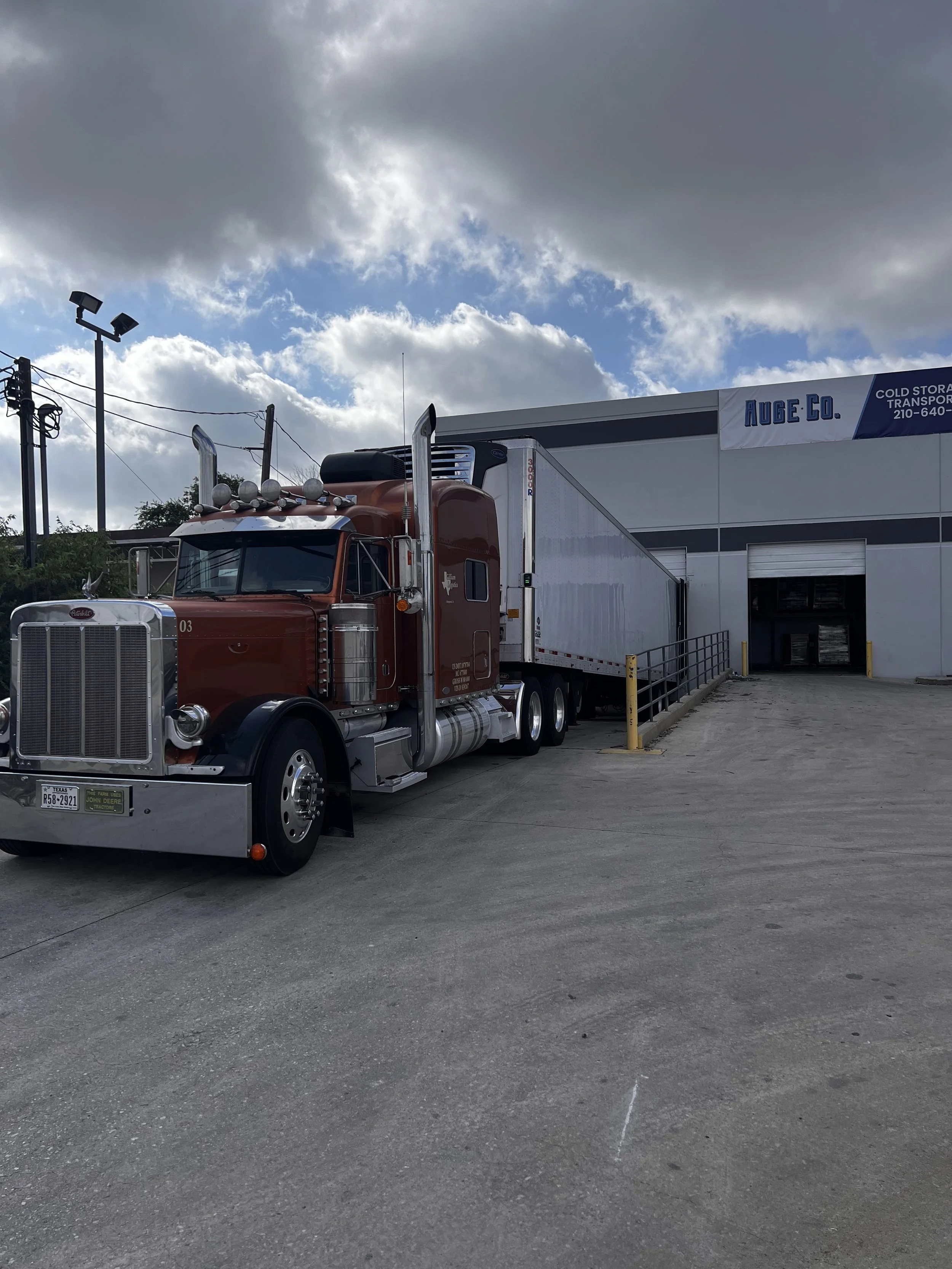
If you work in or near Bexar County, the market dynamics matter. A cold storage facility San Antonio TX serves a mix of grocery distribution, cross‑border traffic, and foodservice. Summers hit triple digits for weeks, which punishes any weak point in insulation, door seals, or reefer maintenance. Local demand spikes around holidays and during produce flow from the valley. The best cold storage San Antonio TX providers plan labor and Auge Co. Inc. refrigerated storage San Antonio TX dock capacity around these rhythms and keep spare reefers and generators ready.
When searching for a cold storage facility near me in the San Antonio area, I look for sites along major arteries like I‑10, I‑35, and Loop 410. Faster turns mean less time sitting on a warm dock. For high‑velocity SKUs, proximity to grocery DCs on the northeast side can shave dwell time. If you run southbound to Laredo or Pharr, a facility with cross‑dock programs and bilingual operations helps avoid handoff errors. It’s not just a convenience, it’s lower spoilage risk because product spends fewer minutes outside controlled air.
Inventory that never cools is inventory that spoils
You would think that putting product into a 34 F cooler means it settles at 34 F. Not always. Dense pallets, overwrapped loads, or product received warm can take hours to pull down. In that window, microbes double. I’ve seen pallets of bagged salads arrive at 44 F after an otherwise on‑time run. The facility was set to 35 F, but because receiving staged near the dock and loads were wrapped tight, the core temperature barely moved for half a shift. The outcome, shorter shelf life on the shelf and higher shrink at the store.
Ask for the facility’s protocol for warm product. Good teams use perforated wrap, leave gaps for air channels, and avoid stacking freshly received pallets in dead corners. Some sites run dedicated quick‑chill rooms with higher airflow and tighter monitoring. If the provider doesn’t speak to pull‑down practices, plan for higher waste.
The fork in the road: own space or outsource
Businesses face a common choice, build an in‑house cooler or book space in a cold storage facility. Owning gives total control, but it ties up capital and requires 24/7 vigilance. Outsourcing gives flexibility and professional oversight but adds a layer between you and the product.
I’ve seen owners spend six figures on a small box only to fight condensation and load‑out bottlenecks. Conversely, I’ve seen companies outsource to a cold storage facility and realize they lost visibility, which caused stockouts and overproduction. If your volume is steady and highly sensitive, in‑house can pay off if you staff it correctly and keep backups. If your demand swings seasonally or you need value‑added services like case picking or compliance labeling, a cold storage near me that specializes in those tasks can lower total waste.
How to vet a refrigerated storage partner up close
Phone calls and brochures only go so far. A site walk tells you most of what you need to know. Watch how workers move during a busy hour, how long doors remain open, and how the air feels near the ceiling racks. Look for simple signs, frost build‑up that indicates air leaks, condensation that signals dew point issues, or cracked door sweeps.
Check data. Ask to see the last three months of temperature logs for each zone. Look for flat lines with tight bands, not sawtooth patterns that suggest overload. Confirm the calibration schedule for probes and handhelds. For refrigerated storage San Antonio TX, ask how the building performed during the last severe heat wave and whether they used generators during outages. If the manager can show data, not a story, you’re in better hands.
Integration and inventory accuracy save more product than most realize
Spoilage isn’t just about temperature. It’s also about finding the right pallet at the right time. I once watched a pallet of dairy expire while sitting at the back of a row because the WMS showed it in a different bay. Humans are good at moving things, not remembering where they moved them. A refrigerated storage facility with a robust WMS, RF scanning, and location discipline cuts loss by reducing dwell time and ensuring FIFO.
If you need case picking, verify how they control pick paths and prevent returns from going back into stock without a temperature check. If they support ASN receiving, you’ll spend less time reconciling. These operational details keep the cold chain tight by shortening the window from receive to ship.
The short list of technologies worth paying for
Cold storage can drown in gadgets, but a few tools consistently pay off. Continuous temperature monitoring with high‑resolution loggers, ideally with alerts that escalate to on‑call staff. Door sensors paired with simple rules that trigger visual or audible reminders when doors stay open too long. Data views that overlay temperature with door events and forklift traffic, helping identify patterns like daily spikes near lunch breaks.
For transport, reefer telematics with two‑way commands lets you fix set points mid‑route. Time‑outs on manual defrost prevent ice buildup from human error. If you handle higher risk products like seafood or vaccines, temperature‑mapped trailers and route‑level excursion reports protect you during audits. None of this needs to be fancy, it just needs to be reliable and used.
When refrigerated storage near me is not enough
Local storage solves staging and speed, but some spoilage stems from suppliers or last‑mile practices. If inbound arrives hot, you’ll spend your margin on re‑cooling and still lose shelf life. When you sit on full pallets of mixed‑temperature goods, one product can compromise another. Or if stores hold doors open while scanning, your perfect storage conditions unravel in the final yards.
This is where partnerships matter. A strong cold storage facility near me can co‑author inbound specifications, from core temperature on receipt to acceptable packaging, and communicate exceptions fast. They can add simple controls like thermal blankets for small transfers between rooms or require staging in temp‑validated zones. The goal is to keep more minutes in range across the whole path, not just inside the warehouse.
Cost, translated into risk and time
Rates for refrigerated storage vary widely by market, temperature zone, and services. You’ll see a base per‑pallet or per‑cubic‑foot storage fee, plus in and out handling. Case picking adds a pick fee. Accessorials stack up, rework, relabeling, small parcel packing, or after‑hours receiving. Cheap storage with slow turns or chaotic docks usually costs more on total landed cost because you eat detention, missed windows, and waste.
I weight offers by three lenses. Risk of excursion, measured by monitoring, backup power, and staffing. Speed of operations, measured by appointment flexibility, door conversion times, and picking throughput. Visibility, measured by integration, reporting, and responsiveness. If a provider ranks high on all three, I can accept a slightly higher rate because it funds fewer write‑offs.
A practical walkthrough: setting up a new account
Onboarding sets your performance ceiling. The best first month I ever had followed a clear checklist that we refined over time.
- Define product profiles with exact temperature ranges, pull‑down needs, and special handling notes. Load these into the WMS. Map site locations to product risk, high‑risk SKUs in the tightest control zones, and fast movers close to docks to reduce door time. Test EDI or API feeds for ASNs, receipts, and inventory sync, with a daily manual reconciliation until accuracy holds above 99.5 percent. Establish alert routing, who gets what alarms after hours, and escalation steps, including when to hold or dispose product. Run a 72‑hour simulation with empty pallets and data loggers to test airflow, door discipline, and loading sequences.
This small amount of structure prevents the common week‑one mistakes, like staging product in ambient while waiting for space, or mislabeling lots that break FIFO rules.
Cold storage and sustainability, without the greenwash
Refrigeration carries a real energy cost, especially in hot climates. Providers are increasingly using variable speed compressors, better insulation, and door curtains to cut load. Some use CO2 or ammonia systems with heat reclaim to warm offices or water. This has two practical benefits for you. One, energy efficiency correlates with temperature stability, because tight systems leak less and cycle less. Two, providers who manage energy well tend to manage maintenance well, which reduces unplanned outages that lead to spoilage.
If sustainability targets matter to your brand, ask for energy intensity per square foot or per pallet and trend it. Ask whether they conduct thermal imaging of walls and roofs after big weather events. These metrics are more useful than generic green claims.
Edge cases you should plan for, not react to
Unplanned outages. In San Antonio and across Texas, grid strain isn’t hypothetical. A cold storage facility san antonio tx that owns or leases generators sized for full load can ride out a multi‑hour event. Confirm fuel contracts and run‑time. If the site relies on partial load sheds, know which zones keep power.
Holiday surges. If you ship turkeys or ice cream, you know the calendar. Good partners set surge playbooks with extended receiving windows and temporary staff. Without this, dwell times rise and so does door open time.
Product recalls. You need lot traceability at the pallet, sometimes at the case. Test a mock recall. Time how fast the provider can isolate and report affected inventory. The faster the trace, the less product you hold unnecessarily, which reduces waste on the safe product.
Extreme humidity. When humid air meets cold surfaces, you get condensation and ice, both of which threaten food safety and operations. Facilities that proactively manage dew point with vestibules, air curtains, and defrost cycles avoid the slow damage that leads to slips, pallet collapse, and mold.
Small businesses and the “too big” warehouse problem
If you’re a local producer, the big cold storage sites can feel mismatched. Minimums seem high, and you worry about being the smallest fish in a large pond. There are ways to make it work. Co‑op with adjacent brands to share slots and transportation. Use scheduled cross‑dock services if your dwell time is measured in hours, not days. Ask providers about flex programs designed for seasonal or micro‑fulfillment users. A well‑run refrigerated storage near me that values future growth will carve out a program for smaller shippers if the workflow is clear and reliable.
I know a bakery that shifted from two reach‑ins behind their shop to a multi‑tenant refrigerated storage San Antonio TX facility with daily case picks. Waste fell by nearly 30 percent in the first quarter, not because the cooler was colder, but because someone finally counted accurately and rotated stock every morning.
Packaging, the quiet driver of temperature success
People obsess over set points but overlook packaging. Over‑wrapped pallets suffocate. Solid top sheets without venting keep heat in and trap moisture. Corrugated that collapses at high humidity turns into a sponge. The fix costs pennies per unit. Use vented stretch patterns and corner boards to allow airflow. Choose liners and films that match temperature and humidity conditions. For produce, test clamshells or film perforation patterns at the intended storage temperature, not just ambient. For proteins, pad sharp edges to prevent film tears that lead to dehydration and freezer burn in frozen rooms.
Collaborate with your cold storage provider on repack rules. If they see wet cartons or sweating product, they should have authority to rework before it spoils the rest of the pallet. That permission saves more product than it costs in labor.
Transportation, the other half of the cold chain
You can run a perfect warehouse and still lose product on the road. Align your refrigerated storage with carriers who maintain reefers and share data. Require pre‑cooling and document it. For short hauls inside San Antonio city limits, don’t let drivers turn reefers off at lights or during quick stops. Door openings add up, and your product absorbs those hits. Use bulkheads and load plans that keep air circulation intact. A trailer packed to the ceiling with no return air path runs hot no matter the set point.
If your provider offers integrated transportation, audit it the same way you audit the building. Ask for telematics samples, maintenance records, and excursion logs. Occasionally ride along or place a logger in a test shipment and compare readings to telematics, which validates calibration.
What success looks like after three months
Waste curves flatten. Customer complaints about freshness drop. Your team spends less time firefighting late shipments and more time forecasting. Inventory turns improve because you trust the data enough to carry less buffer. When you walk into the cooler, it feels boring, steady fans, clean floors, doors that close completely with a soft thud. Boring is the goal.
If numbers help, I’ve seen companies in the 1 to 3 percent shrink range cut that by 20 to 50 percent after tightening refrigerated storage practices, especially when they fix pull‑down, door discipline, and inventory accuracy. In grocery, that might mean a full percentage point back to the margin. In pharma, the gain shows up as fewer write‑offs and smoother audits.
Finding the right partner near you, without overcomplicating it
Start with proximity, but end with process. Search cold storage near me and build a shortlist that includes at least one dedicated cold storage facility and one mixed‑use option, then visit both. If you are in South Texas, include at least one cold storage facility San Antonio TX that can show performance during summer peaks. Bring your data, top SKUs, dwell targets, and any audit requirements. Watch how the site handles your specificity. The right partner will lean into details because details keep product in spec.
The path to less spoilage is practical and measurable. Store product at the right temperature, get it there fast, keep it moving, and document every handoff. Choose a refrigerated storage partner who treats those steps as nonnegotiable. Everything else is preference.