San Antonio is a freight corridor city with a workload that rarely stays predictable. One week you are flowing steady LTL, the next you are juggling a seasonal spike with mixed pallets, tight delivery windows, and a driver stuck at Loop 410 at 4 p.m. Cross docking shines in this kind of environment. It strips out idle warehouse time, shortens dwell, and keeps goods moving. For small and mid-sized businesses that cannot afford bloated inventory or missed appointments, dialing in the right cross docking services in San Antonio can free cash and time without spending heavily on new trucks or a larger footprint.
This guide looks at how cross docking works when the details are messy, not theoretical. It also explains what to ask for when you evaluate a cross dock facility, what service levels make a real difference at SMB scale, and why the local context of San Antonio matters. The aim is practical: find the blend of speed, control, and cost that fits your operation, not someone else’s.
What cross docking solves for SMBs
For shippers and distributors under 40 loads a week, logistics efficiency often gets lost in exceptions. You do not have a dedicated yard team, or 24/7 dock staff, and a single late trailer can hijack the whole day. Cross docking removes storage from the middle of that process. Freight arrives at a cross dock facility, gets checked and sorted, then leaves again on the outbound truck with minimal or no warehousing in between.
A few benefits resonate strongly with SMB operators:
- Faster order cycles: When inbound and outbound align within hours, customers see tight delivery times without carrying more safety stock. Reduced handling: Each touch risks damage and labor cost. A well-run cross dock warehouse minimizes pallet breakdowns and rework. Freight consolidation that actually holds: Mixed LTL becomes tidy FTL by load plan, not by guesswork, which fights detention and missed appointments. Cost stability: Storage, pick fees, and re-stacking charges swing less when the dwell clock is short.
Notice what is not on this list: magical savings. Cross docking is a tool. If your inbound never matches your outbound, or your labeling is inconsistent, the money goes to rework instead of savings. The operational foundation matters.
The San Antonio difference
The map makes the case. San Antonio sits at I-10 and I-35, with easy access to I-37. Freight from Laredo and Eagle Pass funnels north, Houston freight cuts west, and Austin or Dallas deliveries spin quickly off I-35. A cross dock facility in San Antonio, TX can turn southbound imports into staged multi-stop routes across Central and West Texas in a single shift. That matters when upstream variability from ports or border crossings puts your schedule at risk.
Local constraints shape the playbook:
- Border timing: If a trailer crosses late afternoon from Laredo, you cannot count on same-day delivery to Austin unless your cross dock warehouse is geared for evening turns. Heat and packaging: From late May through September, high temperatures test adhesives and shrink wrap. If you ship temperature-sensitive goods or anything with unstable packaging, you need perimeter checks and more conservative stacking in summer. Traffic and appointments: Major retail DCs around San Antonio and Austin enforce strict windows. A cross dock partner that can pre-stage routes, produce clean BOL packets, and reconcile counts quickly keeps your driver out of detention purgatory.
What “customized” looks like for SMBs
Customization is not about a glossy portal or a five-year contract. It is the small operational levers tuned to your freight mix and volume. The best cross docking services San Antonio offers to SMBs tend to share a few behaviors:
They plan around your actual order rhythm. If your inbound runs heavy Monday and thin Wednesday, the facility schedules labor accordingly and adjusts outbound dispatch times to match your customers’ delivery windows. That keeps your cost per pallet predictable.
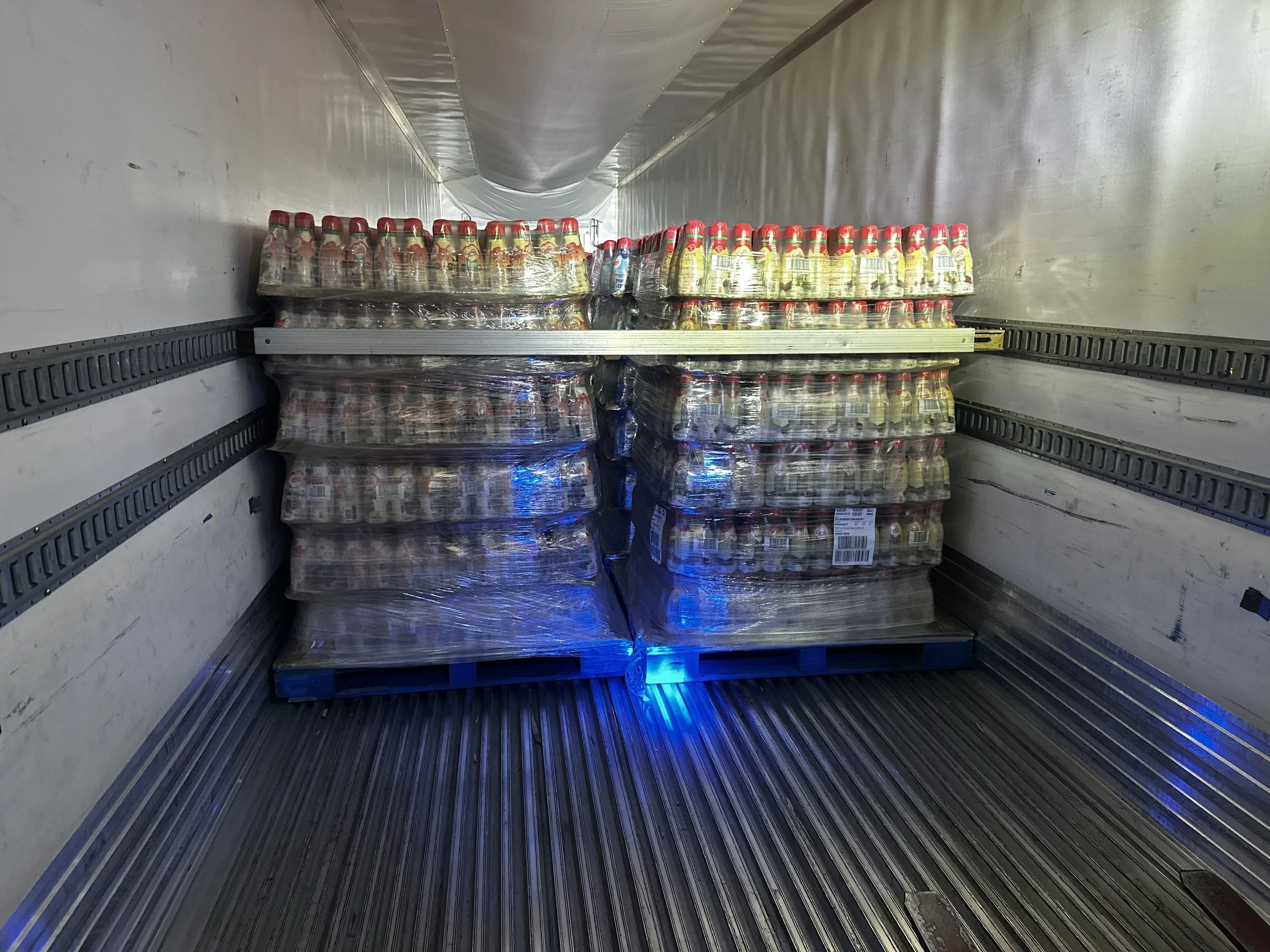
They handle exceptions without drama. Wrong PO numbers, mixed SKU pallets, short packs, dented cases arriving from the border: these are daily events, not edge cases. A good team photographs, annotates, and resolves quickly, then keeps outbound moving.
They keep pallets intact when possible. Breaking down and re-palletizing is expensive and creates damage risk. Unless your carton-level mix demands it, aim for straight-through handling with only the touches needed for labeling and scan verification.
They show you the clock. Dwell times, arrival stamps, and outbound confirmation should be visible within minutes, not hours. When you are looking for cross docking services near me, ask for a demo of timestamps on a real job, not a mock-up.
They price in plain English. You should know what the rate covers: check-in, labeling, sort, pallet rebuild if needed, and dock-to-dock transfer. If you need after-hours access or temp-controlled staging, the surcharge should be clear ahead of time.
Cross docking workflows that keep errors low
Every cross dock warehouse has a standard flow. The difference is in the checks and the choices made when something does not line up.
Receiving and verification. The clock starts the moment the truck hits the yard. Ideal is a door assignment within 10 minutes, a scan of the BOL and pallet tags on contact, and a weight or count verification for anything suspect. If the facility runs cameras and scales at the door, disputes get resolved without emails bouncing around for days.
Labeling and routing. If you ship to both retail DCs and independent stores, your labels must map to very different realities. Retail DCs care about ASN alignment, UCC-128 labels, and appointment IDs. Independents care about address accuracy and driver phone numbers. A cross dock facility in San Antonio, TX that prints and applies both types on the same line saves time and chargebacks later.
Consolidation and staging. True consolidation means building outbound by route and stop order, not just by destination city. A 10-pallet outbound to Houston with three stops should have stop-level tags and a simple load map. In practice, that stops a 20-minute dock search when a driver asks for stop two’s two pallets in a rush.
Outbound dispatch and documentation. Every shipment should leave with clean paperwork and a photo of the loaded trailer door. That one habit reduces debates about counts and condition more than any software. If the cross dock warehouse san antonio tx you are evaluating does not show door photos, ask why.
When cross docking does not fit
It is tempting to force everything through a cross dock facility. Sometimes, consolidation with short-term storage outperforms a straight-through turn:
- Mismatched transit: If inbound from suppliers trickles in across three days and your delivery window is Friday morning only, a light storage plan is cheaper than daily partials and reconsignments. Fragile or highly stacked SKUs: If cases crush easily or packaging loosens in the heat, holding a day to repack and stabilize can prevent returns and refused deliveries. ASN-heavy retail launches: When a big-box retailer requires perfect ASN and carton-level scans ahead of a seasonal reset, spending a day on careful prep beats a rushed same-day cross dock.
A good facility will tell you when not to cross dock and propose a storage or prep alternative. That honesty usually signals they will protect your cost long term.
Data that matters more than dashboards
Dashboards look impressive, but for SMBs the most useful data points are simple and immediate. You need timestamps that match reality and a few KPIs with context.
Arrival-to-door cross dock warehouse san antonio tx time. Anything under 20 minutes is strong. If you regularly see 45 minutes or more, you are paying drivers to idle and risking detention.
Dock-to-outbound dwell. Averages under 6 hours for same-day turns suggest a clean flow. If your averages spike during late afternoons, you may need evening labor or a staggered appointment strategy.
Touch count per pallet. Averages of one to three touches are normal for relabel, verify, and stage. If you see five or more, either the process is broken, or your packaging and labeling need work upstream.
Exception rate. Track short counts, overages, damage notes, and labeling errors per 100 pallets. Anything beyond 2 to 4 per 100 demands a root cause review. Many SMBs cut exception rates in half by standardizing inbound label placement and pallet height limits.
Photo compliance. Percentage of loads with door photos and pallet condition shots before outbound. Aim for 95 percent or better. Photo gaps correlate directly with claims disputes.
Packaging and labeling: the quiet profit center
In San Antonio’s heat and humidity swings, packaging missteps turn into rework, especially for multi-stop routes. A few simple standards save money:
Keep pallets below 62 inches when consolidating mixed SKUs. That height clears most trailer beams, reduces crush, and fits more routes with fewer repacks.
Use corner boards when stacking past 50 inches on soft goods. The cost is low compared to damage claims.
Standardize label placement at chest height on two adjacent sides. Cross dock teams find and scan labels faster, and drivers locate stops without rotating every pallet.
Use 2-inch clear wrap around the base and a top band, not just a mid-band spiral. Summer heat loosens wrap. Anchoring the base stops shifting on I-35’s rough patches.
Local service configurations that pay off
Not every provider offers the same bundle, and you do not need everything. For SMBs, a few add-ons tend to return value in San Antonio:
Evening swings for border freight. A light second shift, even three days a week, catches late Laredo arrivals and prevents next-day pileups.
Retail compliance prep on-demand. If 20 percent of your volume goes to retail DCs, having UCC-128 printing and carton scan validation available prevents chargebacks that can erase a month of savings.
Short-term temperature-controlled staging. You may only need it 10 days a year, but when a heat wave lands during a food or cosmetic launch, those two hours of cool staging keep labels from delaminating.
Drop trailer flexibility. If your carrier can drop, the cross dock can start work earlier, and you reduce detention. It also creates buffer during traffic snarls.
Choosing a cross dock partner in San Antonio
You can search cross dock warehouse near me and get a long list. The difference shows up during a site visit and in how they handle the first messy load. A quick evaluation framework helps:
- Walk the floor at 3 p.m., not 10 a.m. Midday stress reveals whether staging lanes are organized and whether staff can explain what is in each lane without guessing. Ask to see exception handling. Request anonymized photos and notes from a real short or damage dispute. Look for timestamps, clear language, and fast resolution. Check label tools and printers. Thermal printers, backups on hand, and a simple template library for your customers’ requirements signal competence. Review door photos and outbound documentation from the past week. Consistency beats perfection. If the packet is clean most of the time, you can work with them on the outliers. Ask for three references that ship at your volume band. A big-box reference does not prove they can care for SMB flow. Call and ask about response time, billing clarity, and how they handled a bad day.
Cost mechanics, without the fog
Pricing for cross docking services San Antonio providers quote tends to combine a per-pallet fee, per-label fee, and sometimes a per-appointment or after-hours surcharge. You will also see accessorials for rework, repalletization, or temp-controlled staging. A few cost anchors help benchmark:
Per-pallet cross dock fees can range widely, often within a band that reflects touches. Light-touch straight-through work sits at the low end. Mixed-SKU sort and rebuilds push to the high end. If a quote is unusually cheap, expect it to exclude something you will need during exceptions.
Per-label fees can look small but add up in retail compliance. If your outbound needs both pallet and carton labels, clarify whether the rate covers both and includes reprints when data changes.
After-hours and weekend surcharges are worth paying when they prevent a missed delivery or detention the following morning. Confirm the window and who triggers the call-out.
Storage fees for exceptions should be explicit. Even if you aim for zero dwell, you want to know the clock starts at a specific hour and what the overnight rate is if a truck cannot depart.
Case example: an SMB seasonal spike
A regional beverage brand in San Antonio faces a predictable crunch from mid-May to mid-August. Volumes double on weekends. Before cross docking, they tried to build inventory in a small warehouse, then scramble with multiple LTLs to grocers and convenience chains. The result: crushed cases from tall stacks, missed Saturday morning deliveries, and chargebacks.
They moved to a cross dock warehouse san antonio tx with two service tweaks. First, inbound from their co-packer started arriving in smaller, more frequent drops Thursday and Friday, with labels applied at the dock. Second, the facility ran a short evening shift on Fridays to pre-build Saturday routes with door photos and staged paperwork.
The numbers shifted in simple ways. Saturday on-time deliveries went from about 70 percent to above 95 percent. Damage claims dropped by roughly half after they enforced a 58-inch pallet height and corner board rule during the hottest months. Total freight cost did not plunge, but chargebacks and emergency expedites shrank enough to improve margins during the seasonal peak. The owner’s comment summed it up: we stopped apologizing to customers on Mondays.
Technology that helps without taking over
SMBs rarely want a massive integration project. The best cross docking services San Antonio shops offer lightweight tech that plugs into your day:
- Portal with live timestamps, door photos, and downloadable BOLs. Bonus if you can give your customer read-only access to their orders. Simple EDI or API hooks for ASNs when needed, with a fallback to CSV imports. Perfection is not required. Reliability is. Text or email alerts for exceptions and load-ready notifications. No one wants to dig through a dashboard during a driver’s 30-minute break.
If a provider insists on an all-or-nothing integration before running a pilot, proceed carefully. A pilot with manual uploads can still prove value within two weeks. Then you automate the pieces that save real labor.
Freight types that pair well with cross docking
Not every commodity behaves the same. In San Antonio, a cross dock facility that handles these categories smoothly tends to be a good fit for SMBs:
Retail-bound case goods. Think housewares, packaged foods, or seasonal decor. Label accuracy and carton integrity matter more than anything.
Industrial components. Pallet stability and count accuracy win the day. Often benefits from route-based consolidation to plants in Austin, San Marcos, or Houston.
Beverage and pantry DSD. Needs frequent turns, clean route packs, and weekend flexibility. Heat-aware handling is key in summer.
E-commerce replenishment. Not parcel fulfillment, but store or micro-DC resupply. The speed-to-shelf advantage is significant when you pre-build clean pallet drops.
If your freight is primarily high-value electronics or pharmaceuticals, add security and temperature requirements up front. Many facilities can meet them, but you need the right cage, temp, and chain-of-custody practices documented before the first trailer arrives.
Risk control without bureaucracy
Claims and chargebacks drain time. A few practices pay for themselves:
Photo trail discipline. Inbound pallet condition, any repack work, and outbound door closure photos. Stored with timestamps in your job record.
Two-person verification for escalations. When counts do not match, a quick second check plus weighing odd pallets settles disputes faster than email threads.
Pre-agreed disposition for damages. Light crush gets rewrapped and marked, heavy damage quarantined, and you receive immediate photos and a call. The facility needs authority ranges so they are not waiting on you for every minor issue.
Straight talk in billing. If an exception added touches, the invoice should show it. If it was their misload or mislabel, you should see a credit or at least a clear explanation.
How to start: a small pilot beats a big promise
You do not need to overhaul your entire network to test a cross dock partner. Start with a narrow lane or a single customer set. For example, consolidate all San Antonio and Austin region deliveries two days a week through the cross dock. Track the handful of metrics that matter: on-time rate, dwell, exceptions per 100 pallets, and total landed cost per stop. Run it for four to six weeks, including at least one bad-weather or high-traffic day. If the numbers hold and your team spends less time firefighting, expand deliberately.
Finding the right match
Plenty of operators advertise cross docking services near me. A quick shortlist in San Antonio should include facilities near major interstates with straightforward yard access. Proximity to I-35 and I-10 helps, as does the option for secure overnight parking. For SMBs, culture can matter more than size. A mid-sized cross dock that returns calls and adapts schedules beats a giant operation that treats your loads as filler. If a potential partner brings up practical details like label placement, summer wrap tension, or the best dispatch times for your top customers, you probably found someone who cares about outcomes, not buzzwords.
The bottom line for SMBs in San Antonio
Cross docking is not a silver bullet, but it is a reliable lever when tuned to your flow. The San Antonio market, with its interstate crossroads and border-fed variability, gives you plenty of chances to gain speed without taking on fixed costs. Focus on the small, repeatable habits that separate a decent operation from a strong one: fast stamps on arrival and departure, photo-backed documentation, route-first staging, and packaging standards that survive summer heat. When those pieces lock in, you get simpler weeks, steadier invoices, and fewer apologies to customers.
For many SMBs, that is the real win. Not just lower costs, but a calmer operation with space to grow.
A compact readiness checklist
- Do your inbound labels and pallet heights follow a standard, and can suppliers match it within two weeks? Can your orders be grouped into two to four regional routes that repeat weekly? Do you have clear rules for exceptions, including photo proof, quick disposition, and spending authority for minor fixes? Are you able to pilot with a narrow lane for four to six weeks and track a small set of KPIs? Will your team adjust pickup and delivery windows slightly to enable evening turns when needed?
With those pieces in place, a cross dock warehouse in San Antonio gives SMBs the control and speed they need. And once you dial the system in, you will wonder how you managed without it.
Business Name: Auge Co. Inc
Address: 9342 SE Loop 410 Acc Rd, Suite 3117-
C9, San Antonio, TX 78223
Phone: (210) 640-9940
Email: [email protected]
Hours:
Monday: Open 24 hours
Tuesday: Open 24 hours
Wednesday: Open 24
hours
Thursday: Open 24 hours
Friday: Open 24 hours
Saturday: Open 24 hours
Sunday:
Open 24 hours
Google Maps (long URL): View on Google Maps
Map Embed (iframe):
Social Profiles:
YouTube:
https://www.youtube.com/channel/UCuYxzzyL1gBXzAjV6nwepuw/about
Auge Co. Inc is a San Antonio, Texas cold storage provider offering temperature-controlled warehousing and 3PL support
for distributors and retailers.
Auge Co. Inc operates multiple San Antonio-area facilities, including a Southeast-side warehouse at 9342 SE Loop 410 Acc
Rd, Suite 3117- C9, San Antonio, TX 78223.
Auge Co. Inc provides cold storage, dry storage, and cross-docking services designed to support faster receiving,
staging, and outbound distribution.
Auge Co. Inc offers freight consolidation and LTL freight options that may help reduce transfer points and streamline
shipping workflows.
Auge Co. Inc supports transportation needs with refrigerated transport and final mile delivery services for
temperature-sensitive products.
Auge Co. Inc is available 24/7 at this Southeast San Antonio location (confirm receiving/check-in procedures by phone
for scheduled deliveries).
Auge Co. Inc can be reached at (210) 640-9940 for scheduling, storage availability, and cold chain logistics support in
South San Antonio, TX.
Auge Co. Inc is listed on Google Maps for this location here: https://www.google.com/maps/search/?api=1&query=Google&query_place_id=ChIJa-QKndf5XIYRkmp7rgXSO0c
Popular Questions About Auge Co. Inc
What does Auge Co. Inc do?
Auge Co. Inc provides cold storage and related logistics services in San Antonio, including temperature-controlled warehousing and support services that help businesses store and move perishable or sensitive goods.
Where is the Auge Co. Inc Southeast San Antonio cold storage location?
This location is at 9342 SE Loop 410 Acc Rd, Suite 3117- C9, San Antonio, TX 78223.
Is this location open 24/7?
Yes—this Southeast San Antonio location is listed as open 24/7. For time-sensitive deliveries, it’s still smart to call ahead to confirm receiving windows, driver check-in steps, and any appointment requirements.
What services are commonly available at this facility?
Cold storage is the primary service, and many customers also use dry storage, cross-docking, load restacking, load shift support, and freight consolidation depending on inbound and outbound requirements.
Do they provide transportation in addition to warehousing?
Auge Co. Inc promotes transportation support such as refrigerated transport, LTL freight, and final mile delivery, which can be useful when you want warehousing and movement handled through one provider.
How does pricing usually work for cold storage?
Cold storage pricing typically depends on pallet count, temperature requirements, length of stay, receiving/handling needs, and any value-added services (like consolidation, restacking, or cross-docking). Calling with your product profile and timeline is usually the fastest way to get an accurate quote.
What kinds of businesses use a cold storage 3PL in South San Antonio?
Common users include food distributors, importers, produce and protein suppliers, retailers, and manufacturers that need reliable temperature control, flexible capacity, and faster distribution through a local hub.
How do I contact Auge Co. Inc for cold storage in South San Antonio?
Call (210) 640-9940 to discuss availability, receiving, and scheduling. You can also
email [email protected]. Website: https://augecoldstorage.com/
YouTube: https://www.youtube.com/channel/UCuYxzzyL1gBXzAjV6nwepuw/about
Google Maps: https://www.google.com/maps/search/?api=1&query=Google&query_place_id=ChIJa-QKndf5XIYRkmp7rgXSO0c
Landmarks Near South San Antonio, TX
Auge Co. Inc proudly serves the Far South Side, San Antonio, TX region with cold storage warehouse solutions that help protect product quality and reduce spoilage risk.
If you're looking for a cold storage facility in South San Antonio, TX? Connect with Auge Co. Inc near San Antonio Missions National Historical Park.