Seasonal peaks don’t just strain a warehouse, they expose the seams across the whole network. Forecasts wobble, carriers run late, pallet counts swell, and the freezer doors become revolving gates. A well-run cross-docking program turns that surge into a steady rhythm, moving freight through the building in hours instead of days. Done correctly, it protects margin, cuts handling, and keeps store shelves full during the weeks when customers are least forgiving.
This is a practical guide to planning and executing cross-docking during peak periods, with special attention to temperature-controlled freight, final-mile handoffs, and the reality of mixed vendor compliance. The principles hold whether you operate in a national hub or a regional market like San Antonio, where refrigerated storage and final mile delivery services often converge inside the same operation.
What cross-docking really solves during peak
The pitch is simple: bypass storage, move from inbound to outbound with minimal dwell time. During non-peak weeks, that can feel like a nice-to-have. When volumes jump 30 to 200 percent over baseline, it becomes the difference between throughput and congestion. Cross-docking is a throughput strategy, not a storage strategy. That distinction matters when receipts double and your putaway lanes disappear under a wall of shrink wrap.
In practice, cross-docking during peak helps you do three things at once. First, it increases door turns per shift, because freight changes hands quickly. Second, it reduces touches by skipping putaway and full pick to reserve, which shrinks damage and labor per unit. Third, it stabilizes lead times to stores or direct-to-consumer parcels by narrowing the time between truck arrival and outbound tender. If you also handle perishables, it preserves product temperature integrity by minimizing dwell. A temperature-controlled storage network is only as good as its shortest chill lapses, and cross-docking shortens those lapses.
Matching strategy to seasonality
Not all peaks behave the same. Back-to-school pushes variety and small case quantities. Holiday grocery surges prioritize full pallets of fast-movers. Horticulture has hard delivery windows and fragile packaging. For each pattern, the cross-dock plan changes.
In grocery and protein, the cold chain dictates the blueprint. If you run a cold storage warehouse, your cross dock needs enough refrigerated staging to hold a few inbound trucks’ worth while you build store-ready outbound. That staging might be 32 to 34°F for produce, 28 to 30°F for some proteins if packaging allows, and a separate freezer at 0°F or below for ice cream and frozen entrees. If you operate in a market like San Antonio, you likely blend ambient and temperature-controlled storage in one campus, with a refrigerated cross dock tied to final mile delivery services that hit local stores in tight windows. The flexibility to move from a chilled receiving door to a route truck in under two hours is the practical win.
Hardgoods have different constraints. The problem is often carton variability and vendor prep quality, not temperature. The cross dock thrives when product is case-ready, scannable, and pre-allocated to stores. When it isn’t, the process bogs down into ad hoc kitting. Set your threshold: items that can move through with a single scan and pallet-break step go to cross dock. Anything that needs kitting or quality intervention routes to short-term holding, even if that means a brief stop in a nearby storage pod.
Facility design that pays off during peak
A basic cross-dock layout can limp along during regular weeks. Peak exposes spacing and flow errors. Three areas matter: doors and drive paths, staging zones, and information flow.
Doors and drive paths. Match inbound appointment density to physical door capacity, then leave one or two swing doors for problem-solving. I’ve watched facilities try to run peak without a flex door and spend hours jockeying trailers while linehaul drivers stack up in the yard. Inside the building, clear fork aisles that run straight from inbound to outbound cut minutes on every move. If you work in a mixed environment with a cross dock near me footprint that includes public warehouses, don’t underestimate the benefit of dedicated cross dock lanes, even if that means painting new floor lines for a six-week season.
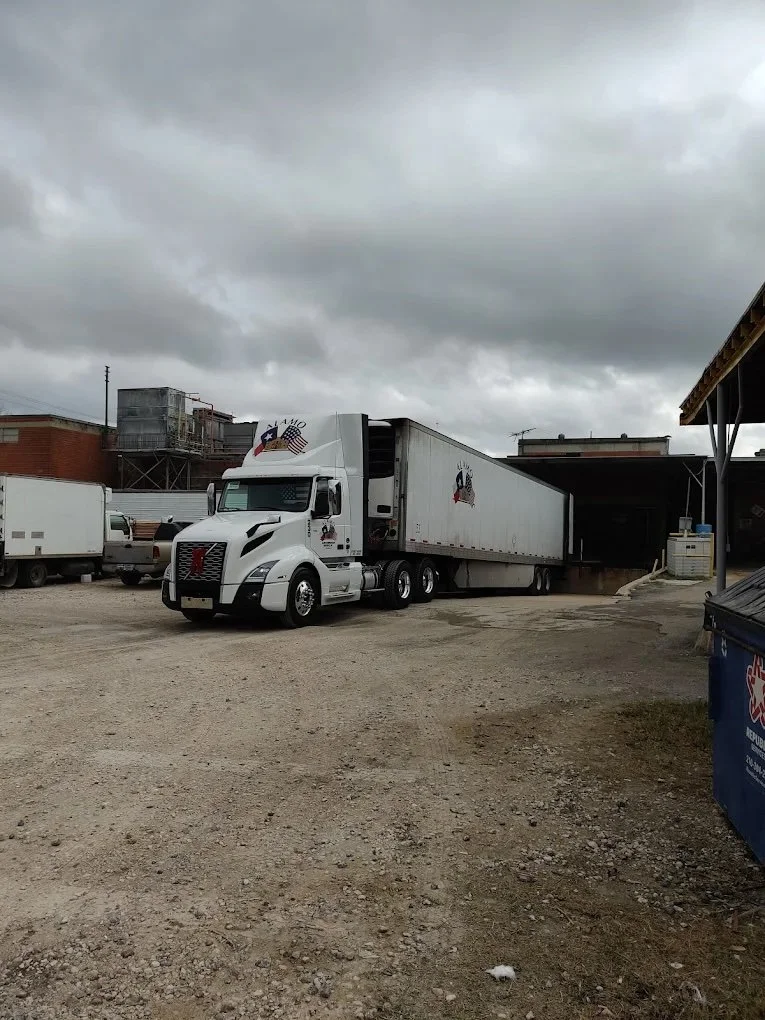
Staging zones. For temperature-controlled cross-docking, staging is a science of square footage and dwell times. In a refrigerated storage area, you need enough room to break pallets down, build store-ready units, and hold them safely without mixing SKUs. Label the floor for outbound routes or store clusters, not just generic staging. In San Antonio, summer heat lingers, and loading dwell at the dock can raise core temperatures if doors cycle too slowly or if trailers sit unsealed. Cold curtains, door seals in good repair, and a habit of closing doors between moves make a measurable difference.
Information flow. Cross-docking under pressure lives or dies on data that arrives early enough to put to use. The best days happen when you get SKU-level ASNs with store allocations before the truck lands. That lets your team preprint labels, stage racks by route, and plan labor by the hour. When ASNs fail or arrive partial, you need a fast, lightweight exception process. A tablet at the dock with scan-and-allocate capability beats a paper log by a mile. For temperature-controlled freight, track time out of the cold. Even a simple clock-in, clock-out event tied to a pallet ID helps verify cold chain integrity.
The cold chain is unforgiving
A cross dock inside a cold storage warehouse has a narrower margin for error than an ambient building. It is not enough to keep the space cold. You need to manage the moments when product leaves the cooler. That includes stretching wrap, label application, and loading. If you operate refrigerated storage in a warm climate, your heaviest traffic hours may need to shift earlier or later to avoid loading in the day’s heat. In places like San Antonio, I have seen teams pull forward labor to a 4 a.m. start for October and November perishables, then taper back in January.
Some operators try to route all cold chain cross-dock work through the same dock positions used for putaway and reserve picking. During peak, that creates friction. A dedicated refrigerated cross dock zone with its own doors, plus quick access to final mile delivery services, pays back fast. If your building doesn’t support a permanent setup, spray lines and portable curtains can carve a temporary zone that keeps temperatures stable during the critical hours when outbound routes are being built.
If customers ask, cold storage near me or cold storage San Antonio TX searches often lead to mixed facilities that offer both long-term temperature-controlled storage and short dwell cross-docking under the same roof. The distinction matters: cross-dock throughput uses a different labor model and different KPIs than long-term cold storage facilities. Make sure your partner does both well. Ask for their average dwell for cross-docked pallets, not just their cubic capacity.
Labor planning for a four-week sprint
Labor breaks during peak if you treat it like baseline. Build schedules in blocks tied to known arrivals and route departures. Stagger start times to match inbound appointment waves, not a fixed shift. Cross-dock tasks have a different cadence than case picking. They move fast, with bursts of activity around each truck. Your lead’s main job becomes orchestration: assigning handlers to lanes that will open next, pulling a checker when a partial ASN arrives, and calling a driver early when a backhaul opportunity appears.
Cross-docking adds pressure on QC. A quick visual check and a temperature probe at the pallet corner may be enough for case-ready goods, but add more scrutiny for fragile or high-risk items. Set a policy that gives floor supervisors discretion to route suspicious pallets to inspection without slowing the whole line.
Training matters. A five-minute huddle with a whiteboard can save hours of confusion later. Outline today’s inbound list, staging zones by route, any special labeling, and a reminder about time-out-of-cold targets. When the building is loud and crowded, short clear instructions beat any SOP binder.
Retail allocations vs. opportunistic flow
Peak weeks punish indecision about allocation. If stores are pre-allocated and your system supports it, label on receipt and move straight to store lanes. If allocation will be done later, push receiving teams to build clean, single-SKU pallet stacks that can be split quickly. In grocery, it is common to allocate heavy fast-movers ahead of arrival, then cross-dock remainder goods opportunistically. That hybrid works as long as your WMS or scanning tool treats exceptions cleanly.
Discipline matters in the gray areas. The most common trap I see is letting every exception become a one-off. A vendor arrives short on two SKUs, the team stops to re-figure all store quantities, and an hour disappears. Pre-define a rule for shorts, such as proportional reduction across stores or auto-shift to the next delivery day. Make the rule known to planners and floor leads so the line keeps moving.
Transportation choreography
Cross-docking lifts throughput when transportation lines up with precision. That does not mean everything must be perfect. It means you design a plan that survives imperfections. Stagger inbound arrivals by SKU cluster when possible so your team is not building five different route types at once. For local distribution and final mile delivery services, plan route windows that leave extra time for the worst traffic days. In a metro like San Antonio, where final mile delivery services San Antonio TX often coordinate with store hours and neighborhood restrictions, you may need two route waves to keep chilled freight inside acceptable dwell.
Cross-docking also benefits from backhaul planning. When an outbound trailer can return with vendor pickups that feed the next day’s cross dock, you compress cycle times and trim costs. It takes coordination, especially when dealing with refrigerated storage San Antonio TX or similar regional markets where foodservice suppliers and grocers share capacity. Build a weekly rhythm: which lanes can reliably backhaul, which are one-way, and which can be swapped on short notice.
When carriers run late, decide early whether to hold routes or ship partials. The math is different for perishables versus hardgoods. A short meat order today may be better than a complete order tomorrow if the cut loses shelf life. For general merchandise, a partial shipment may erode store labor efficiency more than it helps customer satisfaction. Document the decision rule so people stop guessing.
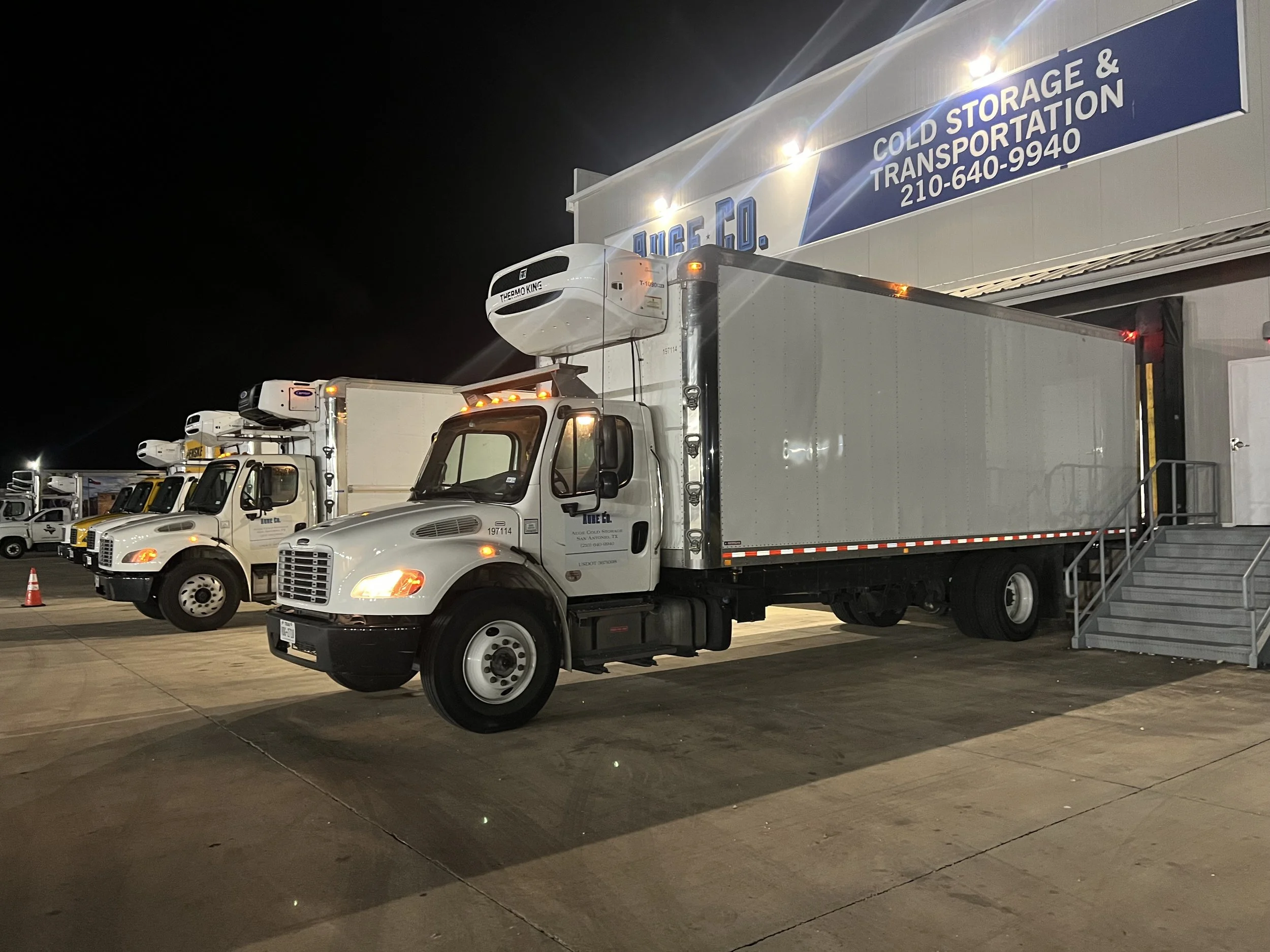
Technology that helps under pressure
You do not need a heavy system to cross-dock well, but you do need a system that shows the floor what matters. Three capabilities make life easier. First, reliable ASN ingestion with store allocation. Second, hands-free label generation that ties a received scan to an outbound lane. Third, lightweight exception capture so that partial receipts, shorts, and damage notes do not stall the process.
Temperature monitoring tools deserve a separate note. If you run temperature-controlled storage, equip the dock team with calibrated probes and loggers, then connect those readings to the pallet IDs in your WMS or TMS. For customers searching temperature-controlled storage San Antonio TX or looking for a cold storage warehouse near me that takes compliance seriously, being able to show time and temperature records down to the pallet builds trust and reduces claims. The same goes for photo documentation at handoff during final mile delivery.
Vendor compliance without drama
Cross-docking magnifies upstream errors. Bad labels, unstable pallets, missing ASNs, and late trucks ripple through the building. Keep a short vendor scorecard during peak with three or four items that actually affect cross-dock speed. Share it weekly. Measure label scannability, on-time arrival to the 15-minute window, pallet stability, and ASN quality. Celebrate improvements during the season instead of waiting to issue fines after the holidays. Vendors do respond when you make the metric clear and show them they can earn faster unload times if they hit the mark.
If you run a cross dock warehouse that supports many small vendors, consider a pre-advice form that can be filled in by phone in a pinch. During peak, people are moving fast and systems break. A reliable, simple way to get piece counts and SKU lists to your team an hour before arrival can rescue a day’s plan.
Edge cases to plan for
Peak makes rare events more common. Freeze-thaw risk rises on days with heavy door cycling. Power blips hit harder when freezers are at capacity. A truck shows up with a half-load for cross-dock and a surprise quarter-load that needs short-term holding. Write small playbooks for these cases, then practice once before the rush.
For example, when temperature monitors warn of rising dock temps, the fast fix might be as simple as shifting two lanes into the cooler or reassigning a team to load faster with a second pallet jack per lane. When a truck brings unexpected reserve freight, have a defined buffer zone with a hard cap on pallets, plus a next-day clearance rule. If the cap is reached, divert to a nearby cold storage warehouse or temperature-controlled storage partner rather than letting the buffer swell and choke the floor.
Speaking of partners, a network of nearby facilities can be a relief valve. In a market like San Antonio, having a cross dock San Antonio TX option that pairs with a cold storage warehouse within a few miles gives you more degrees of freedom. Searches for cross dock near me or cross dock warehouse near me often surface public operators that can swing capacity up or down. Vet them in the off-season. When your own staging nears the red line, a pre-cleared partner lets you offload a few temperature-controlled storage san antonio tx trailers without losing temperature control.
Safety and ergonomics under surge conditions
Peak energy can become peak risk. Cross-dock work compresses time and space, and powered equipment moves constantly near people who are labeling, wrapping, and scanning. Tighten the choreography. Use clear floor markings that define no-park zones for forklifts and specific sprint lanes for pallet jacks. Keep wrap stations out of forklift traffic. If your cross dock sits inside a refrigerated storage zone, remember that cold affects grip strength and reaction time. Rotate tasks. Warm-up breaks are not a luxury when hands go numb.
If you shift to overnight operations, lighting becomes a real factor. Glare and shadows hide labels and floor hazards. Bring in temporary lighting towers or add LED strips above busy staging zones. It sounds mundane, but I have watched productivity jump 8 to 12 percent with nothing more than better light and fewer blind corners.
Metrics that actually guide decisions
During peak, everyone has opinions. Metrics cut through the noise. Track dwell time from receipt to outbound load at the pallet level. Track touches per pallet, not just per order. Monitor on-time outbound departures against their delivery windows. In the cold chain, add two: percentage of pallets loaded without exceeding time-out-of-cold thresholds, and temperature conformance at arrival if you have visibility into store probes.
Financially, watch rework hours and damage claims. Cross-docking should lower both. If they rise, investigate training gaps, unstable pallets, or poor vendor prep. With final mile delivery services, measure not just on-time delivery, but first attempt success for tight delivery windows. Final mile failures create a cascade of returns, customer calls, and refrigerated relays that consume more resources than a simple on-time metric reveals.
Real-world cadence: a week inside peak
The best cross-dock teams run a predictable weekly rhythm. Monday and Tuesday receive heavy inbound to build midweek store allocations. Wednesday captures late vendor shipments and opportunistic buys. Thursday and Friday push outbound hard, then reset staging. In a mixed ambient and temperature-controlled operation, that rhythm staggers by zone. Frozen and chilled may peak midweek to avoid weekend dwell at stores, while ambient rides the Friday wave.
Here is what the day often looks like when it works. First, a 5 a.m. huddle. Appointments are mapped to doors. Labels for pre-allocated SKUs are printed and grouped by route. Within an hour, the first inbound doors crack. Cases scan off, pallets split by store cluster, handlers cross to outbound staging. A team lead floats with a tablet to catch exceptions and keep the line moving. The QC tech takes quick temperature checks while labels go on. Outbound routes start closing by late morning and roll by early afternoon, leaving the floor clear for a second inbound wave and a smaller late-day route set. By 6 p.m., staging has been scrubbed, and anything that missed its window is either reassigned or pushed to the buffer with a firm plan to clear by 10 a.m. the next morning.
Problems still pop. A trailer arrives without an ASN. The team triages it into a dedicated lane, scans live, and applies a default allocation rule. Another carrier calls in a flat tire. The planner shifts one route stop to a different truck and informs the store before the missed ETA. A wander pallet shows up with unclear labels. It goes to the inspection corner, not the middle of a lane. None of this is magic. It is a set of habits that keep exceptions small.
Choosing partners and sites that fit your season
Not every operator shines during peak. If you are evaluating a cross dock warehouse, ask targeted questions. What is your average and 90th percentile dwell time for cross-dock pallets during peak weeks? How do you measure time out of cold? How many outbound doors do you dedicate to cross-dock during peak, and can you flex? If you need specific geography, such as cross dock San Antonio TX or refrigerated storage San Antonio TX, walk the site. Stand at the dock for an hour during a busy period. You will learn more from watching door turns and how supervisors direct traffic than from any slide deck.
For shippers that rely on cold chain, look for a partner that offers both temperature-controlled storage and rapid cross-docking under one roof. A cold storage warehouse near me that can accept late afternoon protein and still hit an early evening store route may add more value than a cheaper site 40 miles away with limited door availability. If last-mile is part of the equation, make sure final mile delivery services are integrated, not just bolted on. Shared systems and shared KPIs reduce finger-pointing when a delivery window gets tight.
A short, practical checklist for peak readiness
- Validate ASN quality with your top 10 vendors and agree on a fallback for partial or late data. Paint and label cross-dock staging zones by route cluster, with separate chilled and frozen lanes. Pre-stage labels and route paperwork the night before heavy receipt days. Set a clear short policy for allocation when inbound is short by SKU or store. Confirm a relief valve: a nearby cross dock or cold storage facility that can take overflow.
When to pause the cross-dock
There is a strange truth in peak operations: sometimes you go faster by stopping. If an inbound shows up with poor labeling, mixed pallets, and no ASN, brute force cross-docking can turn the floor into a mess. It is better to peel those pallets into a small, controlled holding zone, reconcile counts, and feed them back into the line cleanly. The same goes for product integrity. If a probe shows borderline temperature on a sensitive item, stop, verify, and communicate. Saving five minutes on the dock is not worth the claim, the spoilage, or the brand damage.
Bringing it together
Cross-docking for seasonal peaks is a choreography of space, time, and temperature. It works when planning is specific, roles are clear, and exceptions stay small. The tools matter, but the habits matter more: early data, clean staging, quick decisions, and disciplined safety. Whether you are running ambient hardgoods or managing a high-velocity cold chain inside a refrigerated storage facility, the goal is the same. Keep the product moving with as few touches as possible, align transportation with the warehouse pulse, and build a rhythm that your team can sustain for weeks.
If you operate in a region like San Antonio, where searches for cold storage near me and cross dock near me might surface a handful of capable sites, take the time in the off-season to walk floors, test data flows, and practice with a small surge. When the season hits and inbound doubles, you will be ready to turn trucks quickly, protect temperature integrity, and deliver on time. That is the quiet win of cross-docking done well. It stays out of the headlines because shelves are stocked, claims are low, and your people go home on time, even during the loudest weeks of the year.